
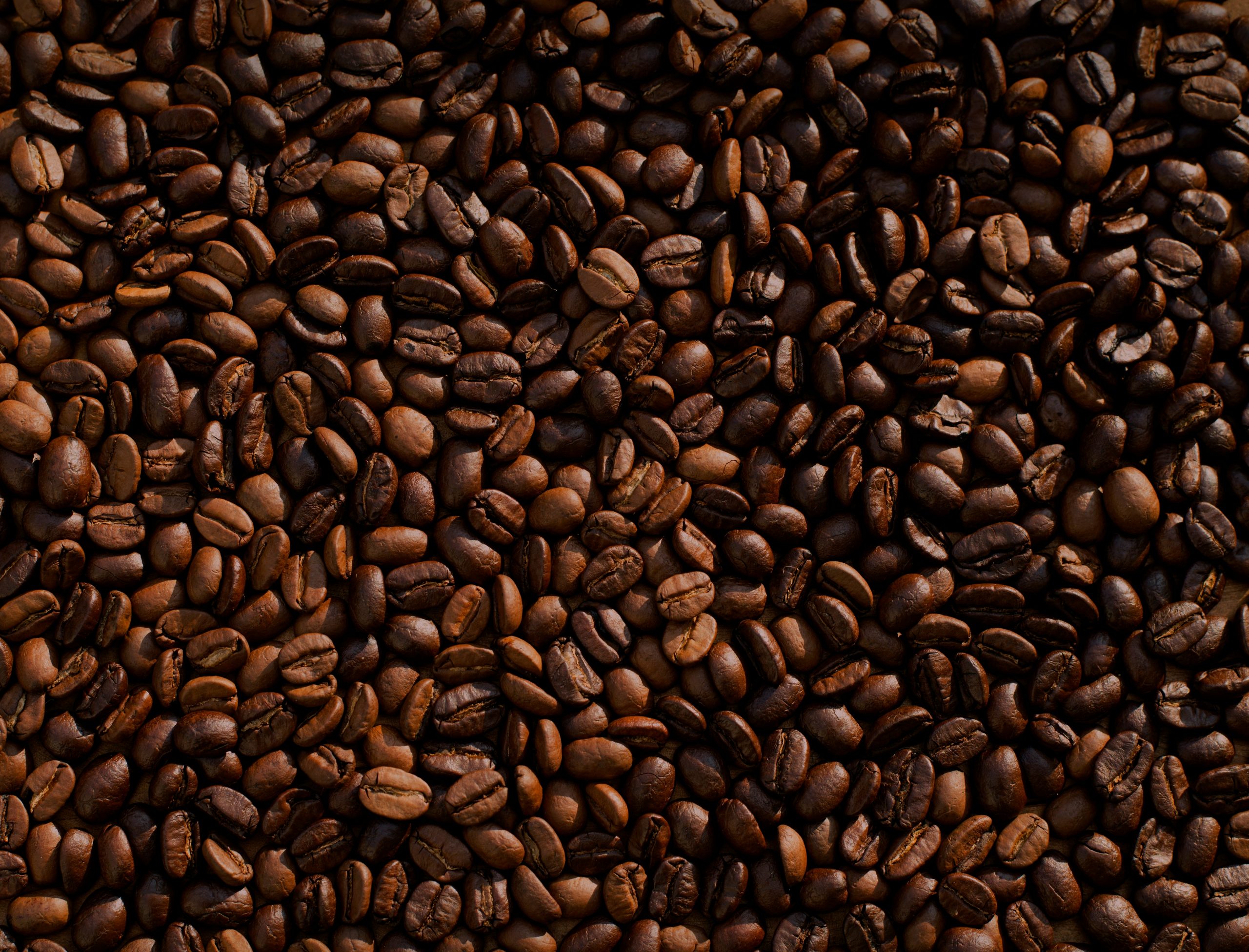
Pour yourself a cup first. This is going to take a minute.
It started with a goat (allegedly)
Long ago in the Ethiopian highlands, sometime around the 9th century (if you trust the stories) and you should always trust stories about goats, a goatherd named Kaldi noticed something strange. His goats had been nibbling on a particular shrub all afternoon, and now they were dancing. Bouncing around like they’d just discovered electricity, only electricity wouldn’t exist for another thousand years.
Kaldi, who was apparently a man of action, ate some berries himself. Soon he was dancing too. He took some to the local monastery, where the monks promptly declared the berries “the devil’s work” and threw them in a fire. The fire smelled incredible. Someone fished out the roasted beans, ground them up, and dropped them in hot water just to see what would happen.
What happened was coffee. And we’ve been spreading the story, and the beans, ever since.
How coffee got its first real job: helping Sufis stay awake
Whether or not the goats were real, by the 1400s coffee was definitely real, and Yemeni Sufi monks were drinking it by the bucket to stay awake through nighttime religious chants. They called it qahwa, which is where “coffee” comes from. They guarded the trade like a state secret. The trick? They only exported roasted beans. Roast a coffee bean and it can’t grow into a plant. Send a coffee bean abroad and you’ve given the world a new addiction without giving them the means to make their own.
This was a fantastic business plan that lasted approximately as long as fantastic business plans tend to last.
Enter Baba Budan, an Indian Sufi pilgrim, who in 1670 strapped seven (seven!) green, unroasted coffee beans to his stomach and walked them out of Yemen. Why seven? Because in Sufi tradition, seven is a holy number. Why his stomach? Because customs officers were not, in 1670, doing pat-downs of holy men.
Baba planted those seven beans in the hills of Karnataka, India. Karnataka still grows coffee today. So does most of the world. Take a moment to thank Baba Budan the next time you pour a cup.
Brazil: the quiet coup
If you’re drinking a smooth, chocolatey, low-acid coffee right now (say our Brazil Nutty & Chocolate) you’re drinking the legacy of a 1727 honey trap.
That year, Brazil very badly wanted coffee plants. French Guiana very badly didn’t want to give Brazil coffee plants. Brazil sent a diplomat named Francisco de Melo Palheta, ostensibly to mediate a border dispute, actually to flirt with the governor’s wife. She flirted back, gave him a bouquet at his farewell dinner, and tucked a few coffee seeds into the flowers.
Three hundred years later, Brazil grows about a third of all the coffee on Earth. The Cerrado Mineiro region where our Brazil comes from produces something like a billion pounds of beans a year. All of it descended from a bouquet.
Africa: the beans come home
Here’s the part where it gets sentimental.
For 500 years coffee left Africa and never came back. It went to Yemen, then India, then Java, then the Americas. Africa kept growing the wild stuff, the original arabica forests in Ethiopia, but nobody outside the continent was paying much attention to African origins as origins. Coffee was something Brazil did.
Then the third wave roasting movement hit in the late 1990s and suddenly everyone wanted to taste what coffee tasted like where coffee came from. Ethiopian Yirgacheffe became the patron saint of fancy coffee shops. Kenyan AA bought houses. And Uganda quietly became one of the most exciting places in the world to source from.
Our Uganda Cocoa & Floral comes from the Rwenzori Mountains on the border with the DRC. The “Mountains of the Moon,” they were called in antiquity.
Central America: the quiet workhorse
Now to our Honduras Buttery & Chocolate, from the highlands of Marcala.
Honduras is the coffee origin that doesn’t get on magazine covers. It’s not as bright as Kenya. It’s not as fashionable as a natural processed Ethiopian. It just sits there, growing about a quarter billion pounds of perfectly delicious washed arabica every year, smelling like brown butter and milk chocolate.
We love it. We sell a lot of it. It’s what we drink at home when we don’t feel like making a fuss.
So what are you actually drinking?
Take any bag of single origin coffee. The beans inside started as a wild shrub in Ethiopia, got smuggled out by a Sufi pilgrim, planted by a French sailor, flirted onto a Brazilian boat, replanted by a Honduran farmer’s grandfather, picked by his grandson, washed in mountain water, sun-dried on a patio, shipped in jute sacks to a port, and trucked to a roaster in Goose Creek, South Carolina, where we waited until Monday morning to fire up the drum, drop them in, and listen for the first crack.
Then we sealed the bag, drove it to the post office, and a USPS letter carrier brought it to your door. From wild shrub to your mug, the bean traveled longer than most of your ancestors.
That’s worth a moment, before you take the first sip.
Curious? Pour a cup.
If this got you curious about where coffee comes from, the easiest way to taste the differences is to just buy a bag from each origin and try them side by side. Brew them the same way, on the same morning. You’ll be amazed how different two bags of the same drink can taste.
We happen to know a place.


Leave a Reply