
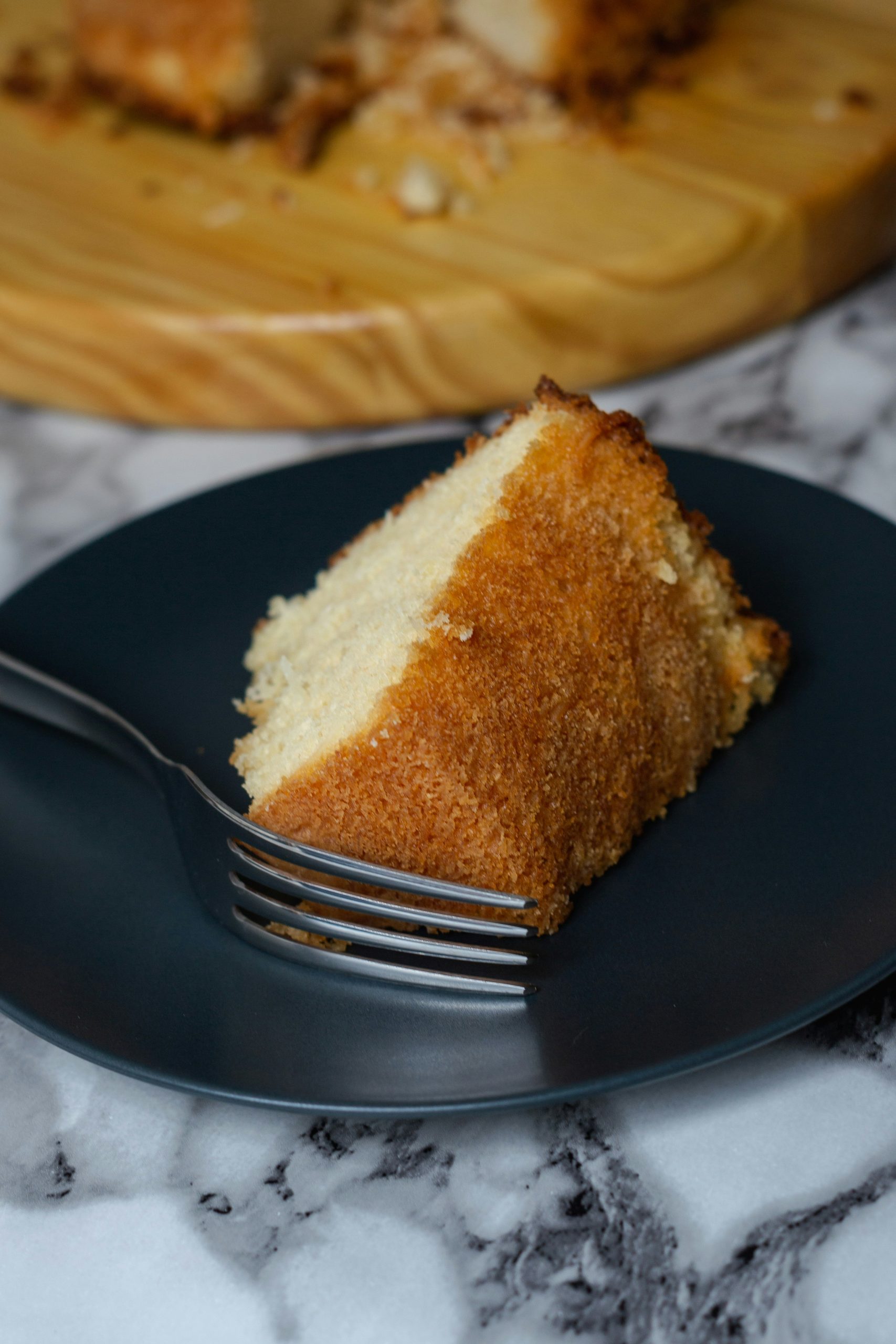
The list of things people want to know before ordering coffee and cake together at the same time: which coffee, which cake. The list of things they actually research: none of them. So we wrote it down.
Pairing isn’t just for snobs
You don’t need a sommelier to figure out that a cup of coffee tastes better with the right slice of something next to it. But “right” is doing a lot of work in that sentence. Pair a bright, fruity coffee with the wrong cake and the coffee tastes sour. Pair a smooth, low-acid coffee with the wrong cake and the cake tastes bland. The right pairing makes both halves taste like the better version of themselves, the kind of thing where you put the fork down for a second and say “huh” out loud.
Here’s how we think about it.
Three principles, then we get to the chart
1. Complement. Same energy, different note. Chocolate cake with chocolate coffee. Lemon cake with bright coffee. Match like to like. The pairing is harmonious, comforting, predictable in a good way.
2. Contrast. Opposite energy, intentional friction. Buttery cake with bright acidic coffee, the acid cuts the richness and resets your palate between bites. Use contrast when you don’t want to feel sleepy 20 minutes after dessert.
3. Anchor. Pick the stronger flavor. If the cake is loud (lemon glaze, chocolate chunks), the coffee should support, not compete. If the cake is subtle (vanilla bean), let a more characterful coffee carry the conversation.
Now to the chart.
Classic Vanilla Bean + Honduras, Buttery & Chocolate
Principle: Complement. Why it works: Vanilla bean is a quiet flavor, buttery, warm, slightly floral. Pair it with a coffee that has a quiet flavor too: our Honduras, with its buttery body and milk chocolate finish. Together they read like a cake shop window in winter. Soft, sweet, low stakes. The kind of pairing that lets you focus on the conversation instead of the food. When to serve: Sunday morning. After dinner with people you’ve known for ten years.
Classic Vanilla Bean + Uganda, Cocoa & Floral
Principle: Contrast (gentle). Why it works: Vanilla on its own can drift toward bland on the third bite. Add a floral, cocoa noted coffee underneath and suddenly the vanilla wakes up, it tastes more like vanilla, paradoxically, because the contrast makes you notice it. The Uganda’s brightness keeps the pairing from feeling sleepy. When to serve: First thing in the morning when you actually need to wake up but don’t want to be jolted.
The vanilla / Uganda pairing is the one we use to convert people who say “I don’t like floral coffee.” Half a slice of warm vanilla bean cake gives the floral notes a reason to be there. Try it.
Lemon Glaze + Brazil, Nutty & Chocolate
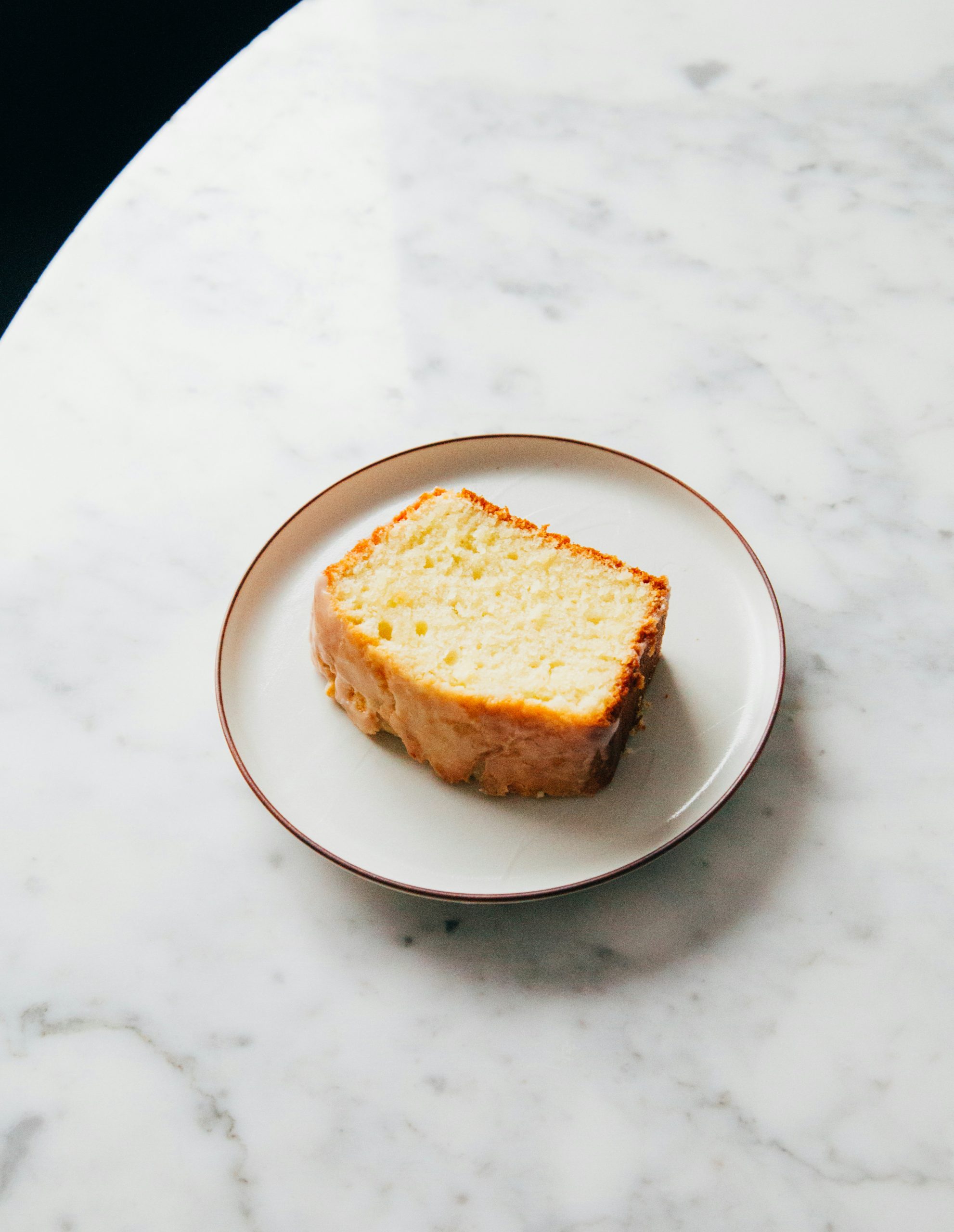
Principle: Contrast. Why it works: Lemon is sharp, sweet, and a little tangy. Brazil is smooth, chocolatey, and a little nutty. They’re opposites. Which means they’re perfect for each other, the lemon cuts through the chocolate, the chocolate softens the lemon. The way orange goes with dark chocolate. This is a popular pairing for a reason. When to serve: A spring brunch. A Saturday afternoon when company’s over. Anywhere “fun but classy” is what you’re going for.
Lemon Glaze + Roaster’s Reserve (when it’s bright)
Principle: Complement (audacious). Why it works: When the Reserve is a bright, fruity coffee, a natural Ethiopian, a honey processed Costa Rican, pair it with the lemon cake and the whole thing reads like a citrus duet. The coffee’s berry notes and the cake’s lemon zest stack on top of each other. The bites taste bigger than they should. When to serve: Showing off. Hosting a coffee snob friend. Convincing someone that single origin coffee is worth the extra few dollars. Heads up: Skip this pairing if that month’s Reserve is a darker roast or a chocolate-forward Indonesian, the lemon will fight it.
Brown Butter Chocolate Chip + Brazil, Nutty & Chocolate
Principle: Complement (deeply). Why it works: This is the matched pair. Brown butter has roasted nut and caramel notes. Brazilian Cerrado coffee has roasted nut and caramel notes. The cake’s dark chocolate chunks meet the coffee’s milk chocolate finish. The sea salt on top of the cake amplifies everything. This is the pairing we eat in the bakery between batches on Thursdays. When to serve: Always. Anytime. If someone walks into the shop on a Saturday morning and doesn’t know what to order, this is what we hand them.
Brown Butter Chocolate Chip + Roaster’s Reserve (when it’s dark)
Principle: Anchor, then contrast. Why it works: When the Reserve is a darker, fuller bodied coffee, a Sumatran wet hulled, a French roast (we don’t usually go this dark, but sometimes), a dark Honduran, pair it with the chocolate chip cake and you get a deep, brooding after dinner combo. Bring a glass of cold water; this one’s intense. When to serve: After a long dinner. Late evening. With a single side lamp on.
A few rules of thumb
- Bright coffees love sweet-and-tart cakes (lemon, citrus, berry). The acidity matches up.
- Dark, low-acid coffees love rich cakes (chocolate, brown butter, nutty). The body matches up.
- Subtle coffees love subtle cakes (vanilla, almond, plain pound). Let either shine.
- If you’re not sure, default to: Honduras + Vanilla Bean. It’s the most forgiving pairing on the menu.
A note on temperature
Bring the cake to room temperature before serving. Cold from the fridge cake has muted flavors, the butter is solid, the aromatics are sleeping. 15 minutes on the counter is all it takes. Pour the coffee, slice the cake, sit down. Take the first bite, then the first sip. Then go.
Want one of each?
Order any coffee and pound cake together and we’ll pack them in the same box for you to pickup or dropoff. Both show up at your door because someone in Goose Creek thought about you for a minute.
→ Shop coffee · Shop pound cake · Or hit “add both to cart” and let the pairing chart pick for you.

Leave a Reply