
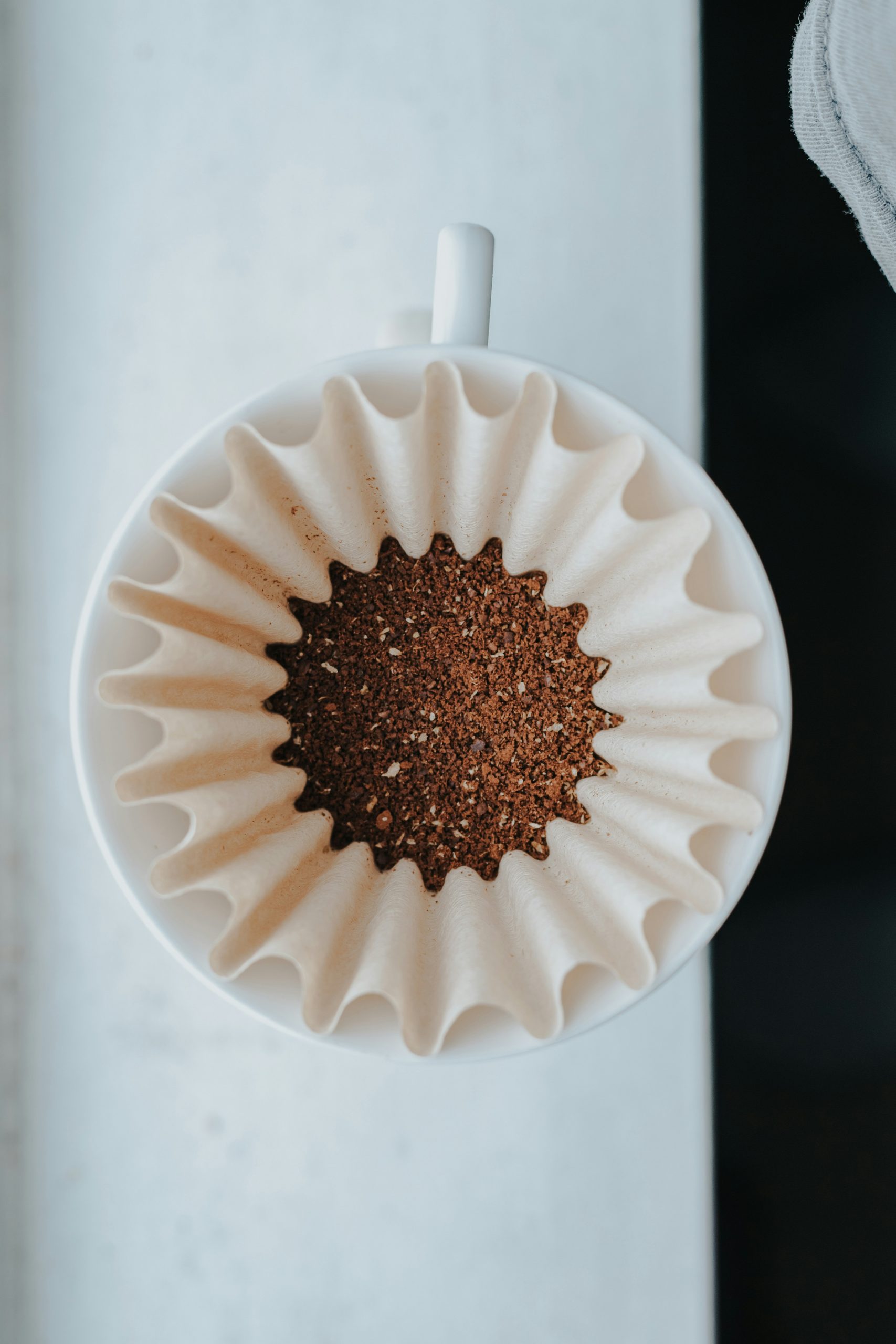
Take one bag of beans. Brew it four different ways. You will produce four wildly different drinks. This is not a bug, it is the entire game.
Why grind size is the most underrated decision in coffee
If you give a baker the same flour, butter, and sugar, you can still end up with anything from a cracker to a croissant depending on what they do next. Coffee is the same. The bean is just the raw material. How you grind it tells the water how much of that bean to actually extract, and the answer changes everything you taste.
Grind too coarse, and the water races through, barely touching the bean. The cup tastes thin, watery, and sour. Grind too fine for your brewer, and the water can’t get past, extraction goes long, pulling out everything including the bitter stuff. The cup tastes muddy, harsh, and slightly chemical.
The trick is to match the grind to the brewer. Here’s the cheat sheet.
Whole bean (our default)
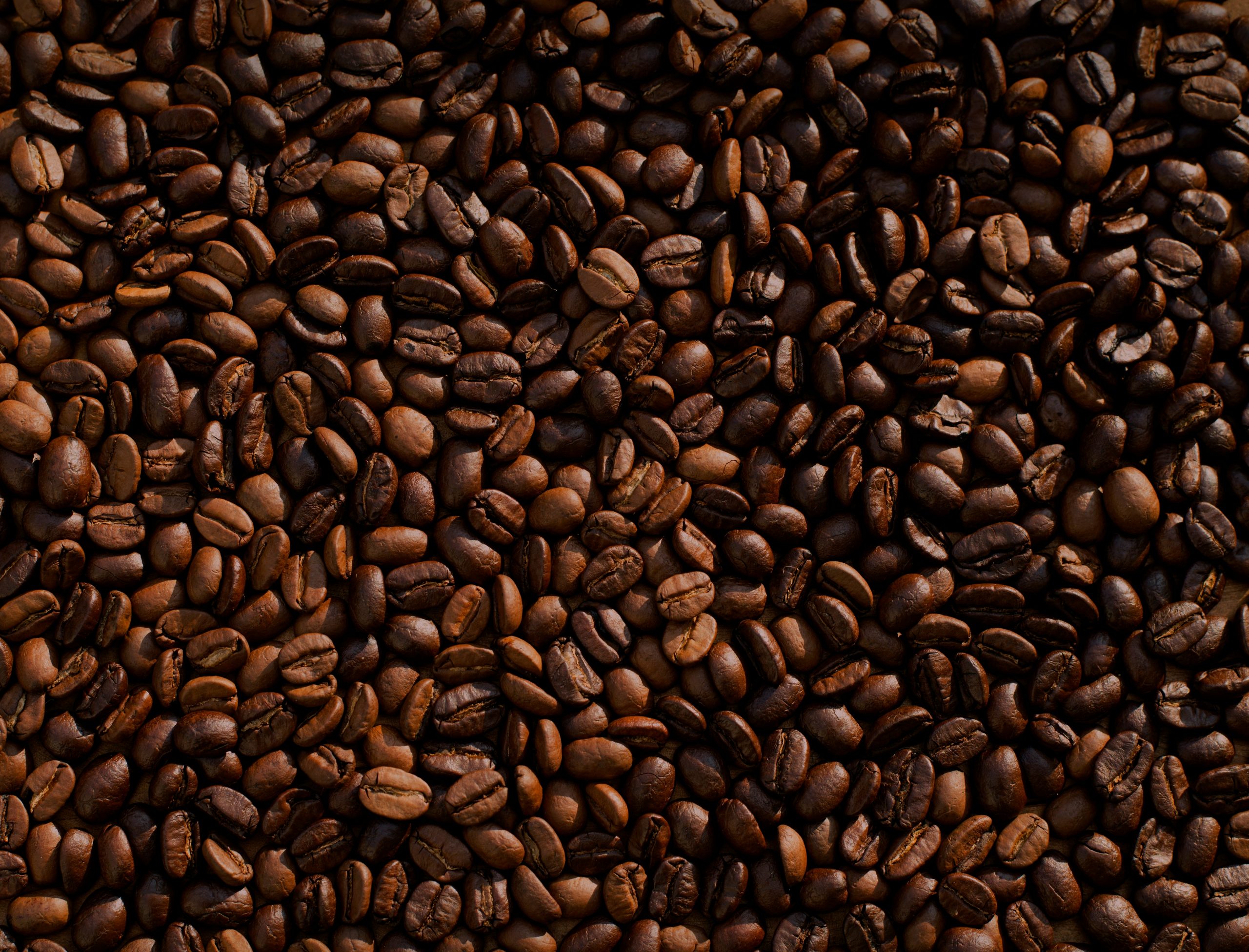
This isn’t really a grind. It’s beans, intact, the way they came out of the bag.
We default every order to whole bean because beans start losing flavor the moment they’re ground. Pre-ground coffee is fine for about 20 minutes. Whole bean stays vibrant for 3-4 weeks. The difference between a 2 week old bag of whole bean and a 2 week old bag of pre-ground is the difference between a fresh cut tomato and one that’s been on the counter for a fortnight.
If you have a $30 burr grinder at home, get whole bean. Always.
A burr grinder, by the way, is the one good kitchen tool we’d nag you to buy. A blade grinder (the one that looks like a tiny blender) chops the beans unevenly, some grounds end up the size of pebbles, others the size of dust, and your cup tastes like both at the same time. A burr grinder crushes the beans between two rotating ridged plates, producing grounds that are uniform in size. Uniform grounds extract uniformly. Uniform extraction tastes like coffee instead of confused noise.
If a burr grinder isn’t in the budget, pick one of the three grinds below at checkout and we’ll do it for you on a commercial-grade burr.
Coarse for French Press, cold brew, and percolators
What it looks like: Sea salt. Big, irregular chunks you can see individual fragments of.
Why coarse for these brewers: French press and cold brew are immersion methods, the grounds soak in water for several minutes (or several hours for cold brew). A long soak with fine grounds would over extract into something that tastes like a battery. Coarse grounds let the water work slowly enough to pull sweetness and body without the bitter backend.
What it tastes like: Heavy, syrupy, rich. The Brazilian and Honduran-leaning end of the lineup shines here, try a coarse grind of our Brazil Nutty & Chocolate in a French press and you basically have hot chocolate that wasn’t meant to be.
Don’t use coarse for: Drip machines. The water will rush through too fast and you’ll get pale, sad coffee.
Medium for drip, pour-over, and most home brewers
What it looks like: Coarse sand. Not gritty enough to feel powdery, not chunky like a French press grind.
Why medium is the all-rounder: Most American kitchens have a drip coffee maker (Mr. Coffee, Bonavita, Technivorm, etc.) or a pour-over (Chemex, V60, Kalita). All of them want medium. The water passes through paper filters at a moderate speed, and medium grounds give it enough surface area to extract well, but not so much surface area that things go bitter.
What it tastes like: Balanced. Clean. The “normal” way most people drink coffee. Medium is where you actually taste an origin’s personality most clearly, the floral notes in our Uganda Cocoa & Floral, the milk chocolate finish in our Honduras Buttery & Chocolate. If you’re trying a new coffee for the first time, brew it medium grind drip or pour over before you do anything fancier.
Don’t use medium for: Espresso. The grind isn’t fine enough to build pressure; the espresso machine will just gush water through.
Fine for espresso (and only espresso)
What it looks like: Table salt. Powdery enough to dust your fingertips.
Why fine only for espresso: Espresso machines force hot water through the grounds at 9 bars of pressure in 25-30 seconds. To get any flavor at all in that short a time, the grounds need huge surface area, which means very fine. The fineness also creates resistance that holds the puck together and lets the pressure build correctly.
What it tastes like: Concentrated. Syrupy. If pulled correctly: a tiny shot of dense, complex flavor with a layer of golden brown crema on top. If pulled badly: bitter or watery, with no in between.
Don’t use fine for: Anything that isn’t espresso. Fine in a French press will pass through the filter and your cup will be 30% silt. Fine in a drip machine will clog it and overflow water everywhere, guess how we learned this.
The “what should I get?” decision tree
Don’t overthink it.
1. Do you have a burr grinder? → Whole bean. 2. No burr grinder, drip coffee maker or pour-over? → Medium. 3. No burr grinder, French press or cold brew pitcher? → Coarse. 4. No burr grinder, home espresso machine? → Fine.
If you have multiple brewers and no grinder, do this: order whole bean and buy a $40 hand-crank grinder (a Hario Skerton or 1Zpresso JX). Hand-grinding 25 grams of beans takes about a minute and gives you bespoke grind size for whatever you’re brewing today. It is the single best $40 you can spend on coffee.
Common mistakes worth not making
Storing pre-ground coffee in the freezer. Doesn’t help. Pre-ground coffee is dying from the moment the burr touched it, and the freezer mostly just adds moisture once you take it out. Storing whole bean coffee in an airtight container in a dark cabinet at room temperature is fine. The bag matters more than the location.
“It’s getting old, I’ll just grind finer to extract more.” No. Grinding finer to extract more flavor from old beans is like adding salt to fish that’s gone off. Buy fresher coffee.
Grinding the night before for tomorrow morning. We get it. Mornings are hard. But the difference between coffee from beans ground 12 hours ago and beans ground 30 seconds ago is genuinely noticeable. Just keep the grinder by the kettle.
Want us to grind it for you?
We will, gladly. Every bag at checkout has a grind dropdown. Pick the one that matches your brewer and we’ll grind that bag the day we ship it, fresher than 99% of what’s at the grocery store.
→ Shop coffee · Pick your origin, pick your grind, we’ll do the rest.

Leave a Reply